
Pollination, Purpose, and Power in Every Chapter
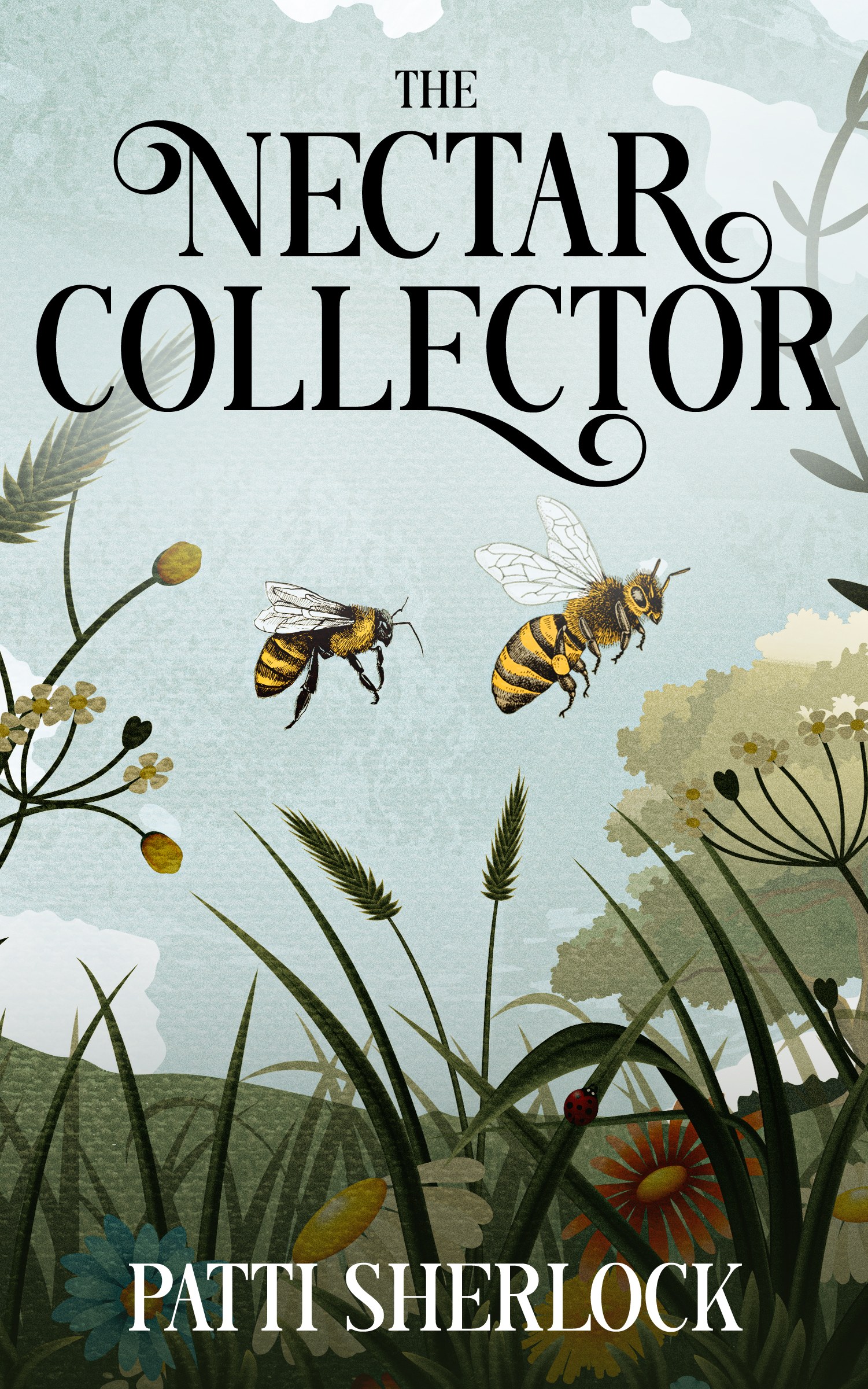
Alenya is a honeybee on a high-stakes mission — gathering nectar while navigating wildfire smoke, outmaneuvering predators, and helping her colony survive a season of change. Blending real bee science with adventure and humor, The Nectar Collector is a warm, fast-moving middle-grade novel for readers who love animal stories, environmental themes, and protagonists who don’t back down.
“A spirited forager and her closest companion are tested as their world changes.” — The Children’s Book Review
Patti Sherlock
Softcover: 978-1-961905-64-1 | $12.95
E-book: 978-1-961905-72-6 | $2.99
October 14, 2025 | 246 pages | Ages 8-12 years
Wholesale inquiries from retailers and schools are welcome via our Contact page. Schools receive a 10% discount on all purchases. 12 Willows titles are also available through all major bookseller platforms.
Using The Nectar Collector with early readers
This book works well beyond the page. A few ways to extend the experience:
Pollinators and ecosystems — Alenya’s work as a forager is literally keeping her world alive. Use the story to explore how bees support food systems and ecosystems — what happens when pollinator populations decline, and what can communities do about it?
Environmental challenges — The book brings wildfire smoke, habitat loss, and colony collapse disorder into a story young readers can actually feel. A good entry point for discussing real environmental pressures without overwhelming kids.
Hive as community — The beehive has roles, rules, shared work, and collective stakes. Invite readers to compare hive dynamics to human communities — schools, neighborhoods, families. What makes a community resilient?
Science and creative writing — The book models bee behavior with real accuracy. Invite students to research one aspect of bee biology featured in the story, then write a scene from another bee’s perspective.
Taking action — Alenya fights for her colony’s survival. What can students do to support pollinators in their own backyard or schoolyard? Planting native flowers, reducing pesticide use, and building simple bee habitats are all real, doable actions.
In the media
The Children’s Book Review – book review – December 2025
—Tina Welling, author of Writing Wild: Forming a Creative Partnership with Nature
—The Children’s Book Review
—Alice Crockett, retired school and public librarian
—Tim Sandlin, founder and executive director of The Jackson Writers’ Conference
—The Bulletin of the Center for Children’s Books